Triple Offset Valve Corrosion Resistance and Coatings Guide
Triple Offset Valve Corrosion Resistance and Coatings
Triple offset valves (TOVs), also known as triple eccentric valves, are widely used in demanding industrial applications where tight shut‑off, high temperature capability, and excellent corrosion resistance are critical. This guide focuses on corrosion resistance and coatings for triple offset valves, including materials, surface treatments, protective linings, and practical selection criteria for corrosive service.
1. Introduction to Triple Offset Valve Corrosion Resistance
Corrosion resistance is a key performance factor for any industrial valve, but it is especially important for triple offset valves because they are often installed in severe service conditions, including:
- High temperature and high pressure pipelines
- Corrosive chemical processing lines
- Offshore and marine environments with saltwater exposure
- Refining and petrochemical units with sour, acidic, or chloride‑containing media
- Power generation systems with aggressive condensate or flue gas desulfurization (FGD) slurries
Proper selection of valve body materials, trim materials, corrosion resistant overlays, and protective coatings greatly increases triple offset valve service life, reliability, and safety.
2. Overview of Triple Offset Valve Design
2.1 Triple Offset Principle
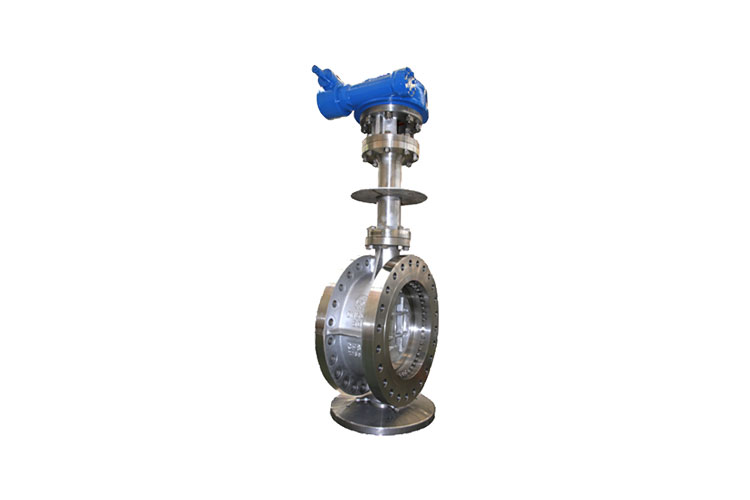
A triple offset valve incorporates three distinct offsets:
- First offset: The shaft is offset from the centerline of the sealing surface, which reduces friction during opening and closing.
- Second offset: The shaft is offset from the centerline of the pipeline, which allows the disc to move out of the seat quickly, minimizing rubbing.
- Third offset: The geometry of the seat and disc sealing surface is conical, creating a cam‑like motion that delivers pure metal‑to‑metal contact at the final degree of closure.
This design minimizes wear on the sealing surfaces and enables tight, bubble‑tight shut‑off even under high differential pressure and in corrosive media.
2.2 Key Components Relevant to Corrosion
Several components of a triple offset valve are directly affected by corrosion and coating choices:
- Valve body: In contact with the process medium; typically cast or forged metallic materials with or without internal coatings.
- Disc (or closure element): Forms the main flow obstruction and sealing interface; often requires high corrosion and erosion resistance.
- Seat ring: Provides the primary sealing surface; often hard‑faced or overlayed with corrosion resistant alloys.
- Stem / shaft: Transfers torque; may be exposed to medium in some designs, requiring corrosion protection.
- Fasteners and internal hardware: Bolting, pins, and bushings must be chosen to resist both internal and external corrosion.
- External surfaces: Need protective coatings to resist atmospheric and environmental corrosion, especially outdoors or offshore.
3. Corrosion Mechanisms in Triple Offset Valves
Understanding common corrosion mechanisms helps in specifying suitable materials and coatings for triple offset valves.
3.1 General (Uniform) Corrosion
General corrosion occurs when the entire metal surface corrodes at a relatively uniform rate. It is common in acidic or alkaline solutions without strong localized attack promoters. Material selection (e.g., alloy composition) is usually the primary control method, with coatings providing extra protection.
3.2 Pitting Corrosion
Pitting is localized attack that produces small pits or holes in the surface, often triggered by chlorides or halides. Stainless steels, duplex steels, and nickel alloys are selected based on their pitting resistance equivalent number (PREN), and protective linings or coatings may be applied in severe chloride environments.
3.3 Crevice Corrosion
Crevice corrosion develops in shielded areas such as gasket interfaces, flange joints, and tight spaces between components. Proper gasket selection, weld design, and surface coatings that can bridge micro‑gaps are important to reduce crevice attack.
3.4 Galvanic Corrosion
Galvanic corrosion occurs when dissimilar metals are electrically connected in the presence of an electrolyte. In triple offset valves, this can occur between the body and trim or between different grades of stainless steel and carbon steel fasteners. Matching or isolating materials, and using non‑conductive coatings, helps mitigate galvanic effects.
3.5 Erosion–Corrosion
Erosion‑corrosion results from the combined action of mechanical wear from high‑velocity flow or particles and electrochemical corrosion. It is common in slurry service, flashing liquids, or gas with entrained solids. Hard‑facing alloys, ceramic‑filled coatings, and optimized flow geometry are used to combat erosion‑corrosion in triple offset valves.
3.6 Stress Corrosion Cracking (SCC)
SCC occurs when tensile stress and a specific corrosive environment act together on susceptible alloys. Chloride SCC in austenitic stainless steels and caustic SCC in carbon steel are typical concerns. Controlling material hardness, stress relief heat treatment, and using SCC‑resistant alloys or internal coatings can significantly reduce the risk.
4. Common Materials for Triple Offset Valves and Corrosion Resistance
Base material selection is the foundation of corrosion resistance for triple offset valves. Coatings and linings are usually supplementary to a well‑selected substrate material.
4.1 Carbon Steel
Carbon steel is widely used for triple offset valve bodies due to its strength and cost‑effectiveness. However, it has limited inherent corrosion resistance, especially in wet or chemically aggressive environments. Carbon steel is often paired with:
- Internal corrosion‑resistant overlays
- Epoxy or phenolic coatings
- External paint systems for atmospheric protection
4.2 Low Alloy Steel
Low alloy steels with small additions of chromium, molybdenum, or other elements offer improved strength and some increase in corrosion resistance. They are applied in high temperature or moderately corrosive services, often with additional hard‑facing or coatings on wetted components.
4.3 Stainless Steel
Stainless steels are commonly used for triple offset valves in corrosive media.
- 304 / 304L: Basic corrosion resistance, limited in chloride environments.
- 316 / 316L: Improved resistance to chlorides and general corrosion; widely used in chemical, food, and marine services.
- 317L and higher molybdenum grades: Better pitting and crevice corrosion resistance for more aggressive chloride conditions.
4.4 Duplex and Super Duplex Stainless Steel
Duplex (e.g., 2205) and super duplex stainless steels provide high strength and superior resistance to pitting, crevice corrosion, and stress corrosion cracking in chloride‑rich environments. They are suitable for offshore, seawater, and chemical processing applications where both mechanical and corrosion performance are critical.
4.5 Nickel‑Based Alloys
Nickel alloys such as Alloy 625, Alloy C‑276, and related grades are applied in extremely aggressive chemical services, including:
- Strong acids and mixed acid environments
- High chloride and halide concentrations
- Oxidizing and reducing conditions in the same process stream
Because of their cost, these alloys are often used as weld overlays, claddings, or hard‑facing rather than for the full body.
4.6 Other Corrosion Resistant Materials
In special applications, triple offset valves may incorporate:
- Titanium: For highly corrosive chloride and oxidizing environments.
- Hastelloy type alloys: For strong acids and mixed oxidizing/reducing conditions.
- Ceramic inserts or coatings: For severe abrasion combined with corrosive media.
5. Types of Corrosion Resistant Coatings for Triple Offset Valves
Coatings and surface treatments complement base material selection and provide an additional barrier against corrosion and wear. The following are commonly used coating types for triple offset valves.
5.1 Epoxy Coatings
Epoxy coatings are widely used for both internal and external protection.
- Good chemical resistance to water, many salts, and mild chemicals
- Suitable for potable water and wastewater applications (when certified)
- Applied by spray, brush, or fusion‑bonded epoxy (FBE) techniques
- Limited resistance at very high temperatures and in strong solvents or concentrated acids
5.2 Phenolic and Novolac Coatings
Phenolic and novolac coatings are used for more demanding chemical environments.
- Excellent resistance to many solvents, hydrocarbons, and chemicals
- Often selected for storage tanks and internal valve linings in chemical service
- High temperature capability compared to standard epoxies
5.3 PTFE and Fluoropolymer Linings
Fluoropolymers such as PTFE, PFA, and FEP offer outstanding chemical resistance.
- Near universal corrosion resistance across a wide pH range
- Low friction coefficient, beneficial for torque reduction
- Temperature limits depending on specific polymer grade
- Typically used as a lining rather than thin film coating in triple offset valve bodies
5.4 Rubber Linings
Hard and soft rubber linings may be applied where abrasion and moderate chemical attack occur, such as in slurry or wastewater service. Rubber provides good resistance to many acids and alkalis but is limited in high temperature and organic solvent environments.
5.5 Metallic Overlays and Hard‑Facing
Metallic overlays use corrosion resistant alloys deposited by welding or thermal spray onto key surfaces like seat rings, discs, and flow‑exposed areas.
- Stellite and cobalt‑based alloys for wear and high‑temperature corrosion resistance
- Nickel‑based alloys (e.g., Alloy 625, C‑276) for chemical resistance
- Stainless steel overlays for moderate corrosive service
Hard‑facing is especially important in triple offset valves because of their metal‑to‑metal seating concept, where both corrosion and galling resistance are essential.
5.6 Thermal Spray Coatings
Thermal spray processes such as HVOF (high‑velocity oxy‑fuel), plasma spray, and arc spray are used to deposit dense, wear‑ and corrosion‑resistant coatings, including:
- Carbide‑based coatings (e.g., WC‑Co) for erosion‑corrosion resistance
- Oxide ceramic coatings for high temperature and wear resistance
- Metallic coatings for sacrificial protection or barrier layers
5.7 Zinc‑Rich and Sacrificial Coatings
Zinc‑rich primers and galvanizing provide sacrificial corrosion protection to carbon steel triple offset valve bodies and external parts. They are especially common in atmospheric and marine environments as part of a multi‑layer painting system.
6. Internal Coatings vs. External Coatings
Triple offset valves require corrosion control both internally (wetted surfaces) and externally (atmospheric exposure). The objectives and coating types for these two areas differ.
6.1 Internal Coatings
Internal coatings and linings are in direct contact with the process medium. Their primary purpose is to:
- Protect the valve body and internal components from corrosion and erosion
- Maintain sealing performance and surface smoothness
- Reduce fouling and deposition on internal surfaces
Typical internal coating options include:
- Fusion‑bonded epoxy for water and mild chemical services
- Phenolic or novolac epoxy for hydrocarbon and chemical services
- PTFE or PFA linings for highly corrosive and high‑purity applications
- Metallic overlays and hard‑facing for high temperature or erosive conditions
6.2 External Coatings
External coatings protect the valve from atmospheric and environmental corrosion, such as:
- Rain, humidity, and condensation
- Salt spray and marine atmospheres
- Industrial pollution and chemical vapors
Common external protective systems include:
- Zinc‑rich primers plus polyurethane or epoxy topcoats
- Aluminum‑rich coatings for high temperature external surfaces
- Multi‑coat paint systems per offshore and marine specifications
7. Seat and Disc Hard‑Facing for Corrosion and Wear Resistance
Triple offset valves rely on precise, metal‑to‑metal seating. The seat and disc contact surfaces must resist both corrosion and mechanical wear.
7.1 Hard‑Facing Materials
Common hard‑facing alloys for triple offset valve seats and discs include:
- Cobalt‑based alloys (Stellite types): Excellent wear and high temperature corrosion resistance
- Nickel‑based hard‑facing: Combines corrosion resistance with good toughness
- Chromium‑carbide based overlays: High abrasion resistance in erosive flow conditions
7.2 Application Methods
Hard‑facing is commonly applied by:
- Manual or automatic welding (e.g., GTAW, GMAW, PTAW)
- Laser cladding
- Thermal spraying (HVOF, plasma spray) followed by grinding and lapping
7.3 Benefits for Triple Offset Valves
Proper hard‑facing on triple offset valve seating surfaces offers:
- Improved resistance to galling and fretting during operation
- Extended life under high cycle or high pressure differential service
- Better maintainability through re‑lapping in some designs
- Consistent leak‑tight performance in corrosive and erosive media
8. Comparison of Common Coating and Material Options
The following tables provide an overview comparison of typical corrosion resistant materials and coatings used in triple offset valves.
8.1 Base Materials vs. Corrosion Resistance
Material |
Typical Use in TOV |
Corrosion Resistance |
Temperature Range (approx.) |
Typical Applications |
Carbon Steel |
Body, bonnet |
Low without coating; moderate with lining |
-29°C to 425°C (service dependent) |
General service, oil & gas, power with internal coatings |
Low Alloy Steel |
Body, bonnet |
Moderate; improved high‑temp resistance |
-29°C to 550°C |
High temperature, steam, refinery units |
304 / 304L Stainless Steel |
Body, disc, trim |
Good in mild corrosion; limited chlorides |
-196°C to 425°C |
Food, beverage, low chloride chemical service |
316 / 316L Stainless Steel |
Body, disc, trim |
Very good general and chloride resistance |
-196°C to 425°C |
Marine, chemical, oil & gas, water treatment |
Duplex Stainless Steel |
Body, disc, trim |
Excellent pitting & SCC resistance |
-50°C to 300°C (grade dependent) |
Offshore, seawater, FGD, brine service |
Super Duplex Stainless Steel |
Body, disc |
Superior chloride and pitting resistance |
-50°C to 300°C (grade dependent) |
Highly aggressive seawater and chloride service |
Nickel‑Based Alloys |
Trim, overlays, body (selective) |
Outstanding in harsh chemicals |
-196°C to 600°C (alloy dependent) |
Chemical processing, sour gas, strong acids |
Titanium |
Trim, body (selective) |
Excellent in chlorides & oxidizing media |
-196°C to 300°C |
Seawater, chlorine, wet halogens |
8.2 Coatings and Linings for Triple Offset Valves
Coating / Lining Type |
Main Function |
Chemical Resistance |
Typical Thickness |
Common Applications |
Fusion‑Bonded Epoxy (FBE) |
Internal corrosion barrier |
Excellent for water and many salts |
200–500 µm |
Potable water, wastewater, firewater |
Liquid Epoxy Coatings |
Internal/ external protection |
Good for mild chemicals, hydrocarbons |
100–400 µm |
General industrial, pipelines, tanks |
Phenolic / Novolac |
Chemical & solvent resistance |
High resistance to solvents & acids |
150–500 µm |
Chemical service, storage, refinery |
PTFE / PFA Lining |
Universal chemical protection |
Excellent across broad chemical range |
1–5 mm (lining) |
Corrosive chemicals, high purity service |
Rubber Lining |
Abrasion and corrosion resistance |
Good for many acids/alkalis |
3–10 mm |
Slurries, mining, wastewater |
Metallic Hard‑Facing |
Wear & corrosion on seats/discs |
Excellent localized protection |
1–4 mm |
High pressure, high cycle, erosive service |
HVOF Thermal Spray |
Erosion & corrosion resistance |
Very high, depending on material |
100–500 µm |
Slurries, high velocity flow, gas |
Zinc‑Rich Primer |
Sacrificial external protection |
High atmospheric corrosion resistance |
50–100 µm |
Offshore structures, exposed piping |
9. Factors Affecting Coating Performance on Triple Offset Valves
The effectiveness of any corrosion resistant coating on a triple offset valve depends on multiple factors beyond just the coating chemistry.
9.1 Surface Preparation
Proper surface preparation is essential to ensure adhesion and long‑term performance:
- Abrasive blast cleaning to specified surface profile (e.g., Sa 2.5)
- Removal of oils, greases, and contaminants
- Control of surface cleanliness between blasting and coating application
9.2 Coating Application Method
Application methods must follow the coating manufacturer recommendations and relevant standards:
- Spray application (airless or conventional) for uniform film build
- Dipping or flow‑coating for internal surfaces on smaller valves
- Electrostatic or fusion bonding for powdered coatings such as FBE
9.3 Curing and Post‑Treatment
Correct curing is critical for achieving full chemical resistance and mechanical properties:
- Controlled temperature and humidity during cure
- Post‑cure baking for certain high performance coatings
- Adequate time before exposure to process conditions
9.4 Operating Conditions
Real‑world service conditions strongly influence coating performance:
- Operating temperature and thermal cycling
- Pressure and pressure cycling
- Fluid composition, including solids content and pH
- Flow velocity and turbulence at the valve seat and body
10. Industry Standards and Testing for Corrosion Resistant Triple Offset Valves
Several industry standards and test methods are relevant when specifying corrosion resistant triple offset valves and coatings.
10.1 Valve Design and Performance Standards
- API standards for metal‑seated valves
- EN and ISO standards governing industrial valves
- Fugitive emissions and tightness class standards for triple offset valves
10.2 Coating and Corrosion Test Standards
- ISO 12944: Paints and varnishes – Corrosion protection of steel structures
- ASTM B117: Standard practice for operating salt spray (fog) apparatus
- ASTM G48: Pitting and crevice corrosion resistance of stainless steels and related alloys
- ASTM G31: Laboratory immersion corrosion testing
10.3 Qualification of Coating Systems
When applying a new coating system to triple offset valves, qualification tests may include:
- Adhesion tests (pull‑off, cross‑cut)
- Impact and abrasion resistance
- Chemical immersion testing in representative media
- High temperature and thermal cycling exposure
11. Application‑Specific Corrosion and Coating Considerations
Different industries impose unique requirements on triple offset valve corrosion resistance and coating selection.
11.1 Oil and Gas and Petrochemical Service
In oil and gas and refining applications, triple offset valves may face:
- H2S and CO2 rich sour gas leading to sulfide stress cracking
- High temperature hydrocarbon streams
- Chloride‑containing process water and amine solutions
Material and coating strategies typically involve:
- Low alloy or stainless steel bodies with corrosion resistant overlays
- Hard‑faced seats and discs with nickel or cobalt alloys
- External multi‑layer paint systems for offshore platforms
11.2 Chemical and Process Industries
Chemical processing plants may handle a diverse range of corrosive media, including acids, alkalis, and solvents. Triple offset valve corrosion resistance solutions often include:
- High alloy or lined valve bodies (PTFE / PFA) for aggressive chemicals
- Phenolic or novolac epoxy internal linings
- Nickel‑based hard‑facing on seating surfaces
11.3 Power Generation and FGD Systems
Power plants, especially those with flue gas desulfurization units, present a harsh combination of:
- Warm, acidic, and chloride‑rich slurries
- High velocity flow with particulate matter
- Temperature variations during plant cycling
Corrosion control measures include:
- Duplex or super duplex stainless steel bodies and trim
- Ceramic‑reinforced or carbide‑based coatings in high wear areas
- Rubber or polymer linings in slurry service where compatible
11.4 Water and Wastewater Treatment
In water and wastewater applications, corrosion resistance focuses on:
- Protection against dissolved oxygen, chlorides, and biological activity
- Long‑term durability with minimal maintenance
Typical choices are:
- Carbon steel bodies with internal FBE coatings
- Stainless steel trim for wetted parts
- External epoxy or polyurethane paint systems
11.5 Marine and Offshore Environments
Offshore platforms, FPSOs, and coastal installations expose triple offset valves to highly corrosive marine atmospheres. Protection strategies include:
- Duplex or super duplex stainless steel for bodies and trim where economically justified
- Robust external coating systems with zinc‑rich primers and high build topcoats
- Corrosion‑resistant bolting and protective covers in splash zones
12. Selection Guidelines for Corrosion Resistant Triple Offset Valves
Selecting the right combination of materials and coatings for triple offset valves is a multi‑step process.
12.1 Define Process Conditions
Gather detailed information about the intended service:
- Fluid composition, including contaminants and solids
- Operating temperature and maximum temperature excursions
- Operating pressure and pressure cycling
- Flow velocity and state (liquid, gas, multiphase)
- Cleaning and flushing procedures and chemicals
12.2 Evaluate Corrosion Risks
Identify potential corrosion mechanisms for the specific service:
- General corrosion rate based on fluid and material combinations
- Pitting and crevice corrosion risk in chloride or halide media
- SCC risk for specific alloys and stress conditions
- Erosion‑corrosion in high velocity or slurry flows
12.3 Select Base Materials
Choose body, bonnet, disc, and stem materials that can withstand the expected environment with suitable corrosion allowance. Often this involves a trade‑off between:
- Initial cost
- Expected lifetime and maintenance intervals
- Pressure and temperature ratings
12.4 Specify Coatings and Linings
Once base materials are chosen, specify internal and external coatings to provide additional protection:
- Internal FBE or phenolic linings for moderate corrosive service
- PTFE or high alloy linings for highly aggressive service
- External multi‑layer paint systems suitable for the atmospheric environment
12.5 Consider Seat and Trim Protection
Pay special attention to the seating surfaces and trim components of the triple offset valve:
- Hard‑facing for seats and discs in high pressure or erosive service
- Use of galling‑resistant material combinations
- Corrosion resistant bushings and bearings where in contact with the medium
12.6 Verify Compliance with Standards
Ensure the triple offset valve design and coating system comply with applicable project, plant, and industry standards for corrosion resistance, coating performance, and valve integrity.
13. Maintenance and Inspection for Corrosion Control
Even with optimized materials and coatings, proper maintenance is vital for long‑term corrosion resistance of triple offset valves.
13.1 Routine Inspection
Recommended inspection actions include:
- Visual inspection of external coatings for blistering, peeling, or rust staining
- Checking for leakage or signs of seat damage
- Monitoring torque trends that may indicate internal corrosion or deposits
13.2 Internal Examination
During shutdowns, remove valves for internal inspection when critical service is involved:
- Examine internal coatings for wear, under‑film corrosion, and impact damage
- Check hard‑facing layers on seats and discs for erosion and corrosion
- Measure internal corrosion rates where possible
13.3 Repair and Recoating
When coating degradation is detected, repair strategies may include:
- Localized surface preparation and patch repairs with compatible materials
- Complete recoating for severely degraded internal or external surfaces
- Re‑lapping of metal seats and discs in triple offset valves to restore sealing
13.4 Documentation and Lifetime Prediction
Maintain detailed records of operating conditions, inspection findings, and repairs to build a predictive model for corrosion and coating performance. This data supports optimized maintenance planning and future material/coating selection.
14. Advantages of Corrosion‑Resistant Triple Offset Valves
Investing in appropriate corrosion resistant materials and coatings for triple offset valves provides multiple operational and economic benefits.
14.1 Extended Service Life
Enhanced corrosion resistance reduces wall thinning, leakage, and failure rates, significantly extending valve service life in aggressive media.
14.2 Reliable Tight Shut‑Off
The metal‑to‑metal seating geometry of triple offset valves demands stable, corrosion‑resistant sealing surfaces. Proper hard‑facing and corrosion control help maintain zero‑leakage performance over time.
14.3 Lower Lifecycle Cost
Although advanced alloys and coating systems increase initial cost, they typically reduce maintenance frequency, downtime, and replacement costs, delivering lower total cost of ownership.
14.4 Improved Safety and Environmental Performance
Corrosion‑induced leaks or failures can cause safety incidents and environmental releases. Reliable corrosion protection reduces these risks and helps achieve compliance with emissions and safety regulations.
14.5 Operational Flexibility
Triple offset valves with robust corrosion resistance can tolerate wider variations in process conditions, including upset events, composition changes, and cleaning operations, enhancing overall plant flexibility.
Triple offset valves are essential components in modern process industries, combining tight shut‑off, high temperature capability, and low operating torque. Their deployment in corrosive and severe service environments requires careful attention to corrosion resistance and protective coatings.
By understanding corrosion mechanisms, selecting appropriate base materials, specifying effective internal and external coatings, and applying robust seat hard‑facing, engineers can significantly improve the reliability and longevity of triple offset valves. Comprehensive maintenance and inspection practices complement these design choices, helping to control corrosion over the entire service life of the valve.
When correctly specified and protected, corrosion‑resistant triple offset valves provide dependable, long‑term performance in some of the most demanding industrial applications, from offshore oil and gas to chemical processing, power generation, and water treatment.
“`






 Phone