Triple Offset Butterfly Valve vs Metal Seated Ball Valve (Complete Technical Guide)
Triple offset butterfly valves and metal seated ball valves are two of the most important types of industrial isolation valves used in severe service. Both are designed to handle high temperature, high pressure, and abrasive or corrosive media, but they achieve tight shut-off and long service life in very different ways.
This in-depth guide compares the triple offset butterfly valve vs metal seated ball valve across design, working principle, performance, applications, advantages, and limitations. It is written in clear technical English, optimized for SEO, and structured for easy integration into product pages, blog articles, and industrial valve catalogs.
1. What Is a Triple Offset Butterfly Valve?
A triple offset butterfly valve (often abbreviated as TOV or TOBV) is a high-performance butterfly valve design where the disc and shaft are offset in three different ways relative to the valve seat and body. This geometry creates a conical sealing surface that provides metal-to-metal, frictionless sealing with minimal wear.
1.1 Triple Offset Geometry Explained
The “triple offset” in a triple offset butterfly valve refers to three distinct offsets:
- First offset: The shaft is offset from the centerline of the sealing surface (disc/seat), moving the shaft behind the disc sealing surface.
- Second offset: The shaft is offset from the centerline of the pipeline or valve body, creating an eccentric disc rotation.
- Third offset: The sealing surface is machined as a conical profile, not concentric, resulting in a spiral or cam-like closing action.
These three offsets combine to ensure that the disc only contacts the seat at the final degrees of closing, eliminating rubbing and reducing wear. This is the core principle that allows triple offset butterfly valves to provide zero-leakage, bidirectional, metal-to-metal sealing.
1.2 Key Characteristics of Triple Offset Butterfly Valves
- Quarter-turn operation (90° rotation from fully open to fully closed).
- Metal-to-metal seating (often laminated or solid metal seat and metal sealing ring).
- Bi-directional bubble-tight shutoff (often tested to ISO 5208 Rate A or API 598 zero leakage).
- Frictionless sealing: the disc lifts off the seat during rotation, minimizing seat wear.
- Compact face-to-face dimensions, lighter than comparable ball or gate valves.
- Capable of handling high-temperature, high-pressure, and corrosive or erosive service.
2. What Is a Metal Seated Ball Valve?
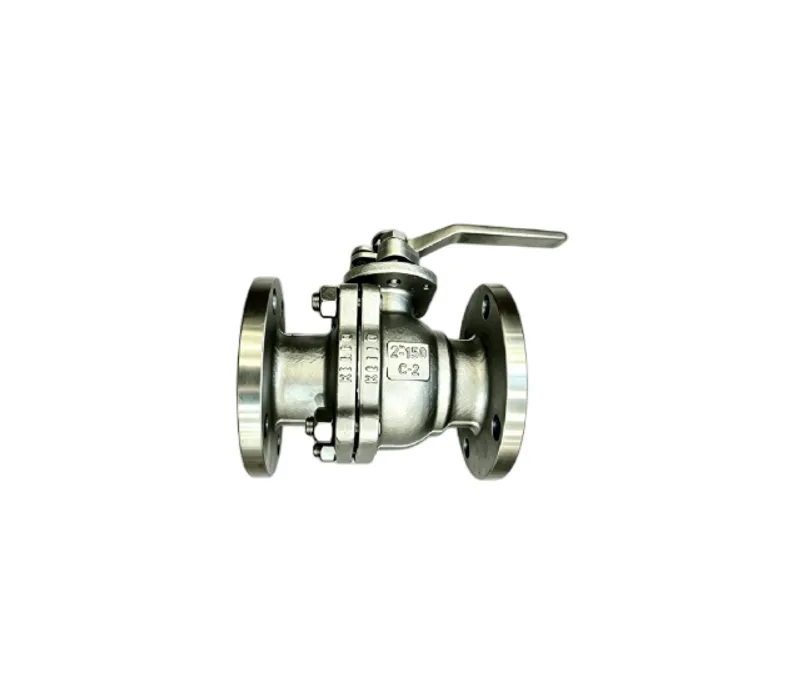
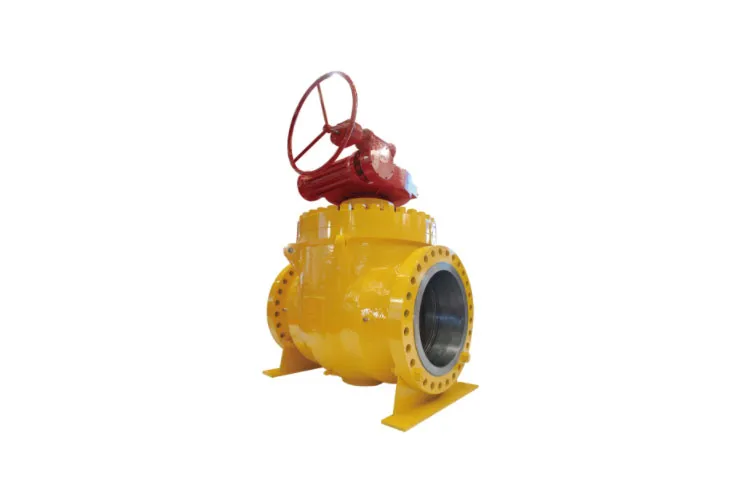
A metal seated ball valve is a type of quarter-turn valve where a solid ball with a through-bore rotates within the body to open or close flow. Unlike soft-seated ball valves that use PTFE or other polymer seats, metal seated ball valves use hardened metal seats and a metal ball to withstand severe service conditions.
2.1 Basic Design of a Metal Seated Ball Valve
The primary components of a metal seated ball valve include:
- Body: typically forged or cast steel, stainless steel, or high-alloy materials.
- Ball: metal ball with a port (full bore or reduced bore) through the center.
- Seats: metal rings (often with hardface coatings) that provide sealing against the ball.
- Stem: shaft connecting the ball to the actuator or handle.
- Sealing and packing: stem packing, body gaskets, and other seals (often graphite for high temperature).
Metal seated ball valves are specifically engineered to handle:
- High temperature where soft seats cannot survive.
- Abrasive media (slurries, catalyst particles, ash, scale).
- High pressure drop and frequent operation in severe service.
2.2 How Metal Seated Ball Valves Achieve Tight Shutoff
Sealing in metal seated ball valves relies on precision machining, interference fit, and often hard coatings such as:
- Stellite (cobalt-based hardfacing)
- Tungsten carbide (HVOF coated)
- Chromium carbide
- Nitrided or hardened stainless surfaces
When the ball rotates to the closed position, the metal ball surface and metal seat ring come into tight contact, creating a high-integrity metal barrier against the process fluid. Designs may incorporate:
- Trunnion-mounted ball for higher sizes and pressures.
- Floating ball for smaller sizes and lower pressures.
- Single or double block-and-bleed sealing configurations.
3. Triple Offset Butterfly Valve vs Metal Seated Ball Valve: Core Comparison
The following comparison table summarizes the most important differences between a triple offset butterfly valve and a metal seated ball valve.
| Feature |
Triple Offset Butterfly Valve |
Metal Seated Ball Valve |
| Basic Type |
Quarter-turn butterfly valve with triple offset disc and seat |
Quarter-turn ball valve with metal ball and metal seats |
| Seating Mechanism |
Conical, metal-to-metal sealing; frictionless, cam-like closing |
Direct metal-to-metal contact between ball and seats |
| Sealing Performance |
Zero leakage (bubble-tight) typically achievable, bidirectional |
Zero leakage achievable with precision design and hard coatings |
| Typical Sizes |
Medium to very large pipeline sizes (e.g., DN 150–DN 2000+) |
Small to large, but very large sizes become heavy and costly |
| Face-to-Face Length |
Short and compact; often wafer or lug type |
Longer face-to-face; heavier and bulkier for same size |
| Weight |
Generally lighter than ball valves of the same pressure rating |
Heavier due to solid ball and thicker body walls |
| Flow Characteristics |
Approximate equal percentage; good for throttling and control |
Near linear at low openings; typically used for on/off, can be used for control with special trims |
| Pressure Drop |
Higher pressure drop than full-bore ball valve; efficient for large lines |
Full bore designs offer very low pressure drop; reduced bore gives moderate pressure drop |
| Temperature Capability |
Very high; limited mainly by body and seat materials (e.g., up to ~600–800°C with suitable alloys) |
Very high; suitable for extreme temperatures with hard-faced seats and graphite seals |
| Abrasion Resistance |
Good, but disc is more exposed; may require hardfacing in severe abrasion |
Excellent, especially with tungsten carbide or similar coatings |
| Slurry / Particulate Handling |
Usable with care; seat can be damaged by heavy solids if not designed for it |
More suitable for severe slurry and solids service |
| Torque Requirement |
Relatively low; efficient for actuation on large diameters |
Generally higher torque; actuators may need to be larger |
| Cost (Per Size) |
More economical than metal seated ball valve in larger diameters |
Typically higher cost, especially in severe-service, coated designs |
| Installation Space |
Compact, shorter face-to-face; good where space is limited |
Requires more space and structural support, particularly in large sizes |
| Typical Applications |
Steam, gas, oil, petrochemical, power generation, refinery isolation, control service |
Catalyst handling, slurry lines, severe service isolation, high differential pressure, erosive service |
| Bidirectional Sealing |
Yes, typically designed for bidirectional zero-leakage |
Depends on design; trunnion ball valves may be bidirectional or unidirectional |
| Maintenance |
Seat and seal replacement usually simpler; fewer heavy components |
Seat and ball replacement can be more complex and labor-intensive |
4. Design and Construction Details
4.1 Triple Offset Butterfly Valve Design
The structure of a triple offset butterfly valve generally includes:
- Valve body: lug, wafer, or double-flanged design.
- Disc: elliptical or circular disc with conical sealing surface.
- Seat: integral or replaceable seat ring (metallic, laminated, or solid metal).
- Stem: one-piece or two-piece shaft offset from disc center.
- Bearings: bearings or bushings to support the stem and minimize friction.
- Stem packing: high-temperature packing (often graphite) to prevent leakage.
- Actuation: lever, gear operator, pneumatic actuator, hydraulic actuator, or electric actuator.
Common body materials:
- Carbon steel (e.g., ASTM A216 WCB).
- Stainless steel (e.g., CF8M/SS316).
- Duplex and super duplex stainless steels.
- High-temperature alloys (e.g., chromium-molybdenum steels, nickel alloys).
Typical seat configurations:
- Solid metal seat with hardfacing.
- Laminated metal-graphite seat for improved tightness and flexibility.
4.2 Metal Seated Ball Valve Design
Metal seated ball valves are more complex than soft seated designs because they must compensate for metal-to-metal interface and thermal expansion. The main design features include:
- Body design: one-piece, two-piece, or three-piece body; top-entry or side-entry construction.
- Ball design: trunnion-mounted or floating ball; full bore or reduced bore.
- Seat design: fixed or spring-loaded metal seats to maintain contact with the ball.
- Coatings and hard facing: Stellite, tungsten carbide, chromium carbide, or other surface treatments.
- Sealing systems: primary metal-to-metal seat seal and secondary body sealing (gaskets, graphite rings).
The body and ball are usually made from:
- Carbon steel or low alloy steel for standard high-pressure service.
- Stainless steel, duplex, super duplex for corrosive media.
- Special alloys (Inconel, Hastelloy, etc.) for aggressive chemicals and high temperatures.
Seats are often manufactured from:
- Stainless steel with hard coating.
- High-alloy steels with surfacing.
- Carbide-coated or cobalt-based alloys.
5. Operating Principle: How They Work
5.1 Operation of Triple Offset Butterfly Valves
In the open position, the disc is fully rotated to be almost parallel to the flow, creating a large flow area. As the valve closes:
- The disc starts rotating about the offset shaft.
- Because of the first and second offsets, the disc moves away from the seat surface during most of the rotation.
- Only at the very final part of the closing stroke does the conical sealing surface engage, creating metal-to-metal contact.
This cam-like closing action ensures that:
- There is no scraping or rubbing between disc and seat during opening or closing.
- Seat life is extended and the valve can cycle frequently.
- High tightness is maintained even after many cycles.
5.2 Operation of Metal Seated Ball Valves
Metal seated ball valves are operated by rotating the ball 90°:
- In the open position, the ball’s bore is aligned with the direction of flow, creating a near straight-through passage with minimal pressure loss (for full bore designs).
- As the ball turns, the bore moves out of alignment and the spherical surface of the ball begins to contact the seat.
- In the fully closed position, the spherical ball surface tightly presses against the metal seat(s), stopping flow.
Because the ball and seat are both metal:
- High contact pressure is required to ensure sealing, especially in low-pressure conditions.
- Precision machining and special coatings are used to compensate for thermal expansion and wear.
6. Performance Comparison in Industrial Service
6.1 Pressure and Temperature Ratings
Both valve types can be designed to meet high pressure and temperature classes, such as:
- ASME Class 150, 300, 600, 900, 1500, or equivalent PN ratings.
- Design temperatures ranging from cryogenic (with special design) up to several hundred degrees Celsius.
In very high temperature and pressure combinations, the metal seated ball valve may offer:
- More robust sealing at extreme differential pressures.
- Better resistance to mechanical deformation due to a solid ball element.
However, a triple offset butterfly valve often offers:
- Excellent performance up to high temperature ranges with metal/graphite seals.
- A lighter and more compact design, especially in large line sizes and moderate to high pressure.
6.2 Flow Coefficient (Cv) and Pressure Drop
In terms of flow and pressure drop:
- A full bore metal seated ball valve generally provides near-line-size flow area and very low pressure drop (high Cv).
- A triple offset butterfly valve has the disc located in the flow path, resulting in a lower Cv and higher pressure drop compared to a full bore ball valve, but still efficient for large pipelines.
For applications where pressure loss must be minimized, such as long-distance pipelines or compressor suction lines, the metal seated ball valve may be preferable. For general industrial isolation where slight pressure drop is acceptable, a triple offset butterfly valve is often sufficient and more economical.
6.3 Tight Shutoff and Leakage Class
Both valves can achieve very high sealing performance:
- Triple offset butterfly valves are frequently qualified to zero-leakage standards and bi-directional sealing.
- Metal seated ball valves can also provide tight shutoff, but achieving bubble-tight performance requires high-precision components and premium coatings.
In practice, a triple offset butterfly valve is often selected where bidirectional zero-leakage isolation is needed for gases or liquids, especially in large sizes. A metal seated ball valve is chosen for zero-leakage under severe conditions where abrasion, erosion, and thermal cycling are present.
7. Advantages of Triple Offset Butterfly Valves
7.1 Main Benefits
- Lightweight and compact for large diameter applications.
- Lower torque requirement compared to metal seated ball valves of similar size.
- Frictionless sealing reduces wear and extends seat life.
- Bidirectional sealing suitable for complex pipeline networks.
- Excellent control capability (good throttling behavior and rangeability).
- Cost-effective solution for high-performance isolation in large pipelines.
- Versatile across a wide range of fluids: steam, gas, hydrocarbons, water, and some slurries.
7.2 Typical Use Cases
- Power plants (steam isolation, boiler feedwater, turbine bypass).
- Refineries (overheads, steam, distillation columns, process lines).
- Petrochemical plants (process isolation and control, high-temperature services).
- Oil and gas pipelines (sectional isolation, station valves).
- Offshore platforms (space and weight sensitive applications).
8. Advantages of Metal Seated Ball Valves
8.1 Main Benefits
- Superior abrasion and erosion resistance with appropriate hard coatings.
- Very high pressure and temperature capability in severe service.
- Full bore options with minimal pressure drop.
- Positive, robust shutoff even in difficult media with suspended solids.
- Suitable for frequent cycling where soft seats would wear rapidly.
- Can be designed for double block-and-bleed functionality and high integrity isolation.
8.2 Typical Use Cases
- Refinery catalyst handling and regenerator isolation.
- Slurry lines in mining and mineral processing.
- High-temperature combustion systems and gasification units.
- FCC and petrochemical reactor service.
- Coking units, high-solid hydrocarbon streams.
9. Limitations and Challenges
9.1 Triple Offset Butterfly Valve Limitations
- Disc remains in the flow path, causing some pressure drop and potential flow-induced vibration in very high velocities.
- For extremely abrasive slurries or heavy solids, the disc and seat may wear faster than a severe-service ball valve.
- Sealing performance can be sensitive to installation alignment and piping loads.
- May not be the best choice for very high differential pressures in small sizes compared to metal seated ball valves.
9.2 Metal Seated Ball Valve Limitations
- Heavier and bulkier than triple offset butterfly valves in large diameters.
- Higher cost, especially with premium coatings and alloys.
- Higher torque and actuation requirements.
- Metal-to-metal seating may be less forgiving of minor damage or debris.
- Maintenance, especially seat/ball replacement, can be more complex.
10. Material and Seat Options
10.1 Common Materials for Triple Offset Butterfly Valves
| Component |
Typical Materials |
Service Notes |
| Body |
Carbon steel, stainless steel, duplex, alloy steel |
Selected based on pressure, temperature, and corrosion requirements |
| Disc |
Stainless steel, duplex, alloy steel (often with hardfacing) |
Hardfacing for erosion resistance and sealing durability |
| Seat |
Solid metal seats, laminated metal-graphite seats |
Laminated seats can accommodate slight misalignment and thermal expansion |
| Stem |
Stainless steel, alloy steel |
Designed for torque transmission and corrosion resistance |
| Packing |
Graphite packing, high-temperature seals |
Ensures tight stem sealing at elevated temperatures |
10.2 Common Materials for Metal Seated Ball Valves
| Component |
Typical Materials / Coatings |
Service Notes |
| Body |
Carbon steel, stainless steel, alloy steel, duplex |
Selected according to pressure, temperature, and corrosion |
| Ball |
Stainless steel, alloy steel with Stellite, tungsten carbide, or chromium carbide coating |
Hard coatings provide erosion resistance and improved sealing durability |
| Seats |
Stainless steel, alloy steel with hardfacing or coatings |
Spring-loaded or fixed; matched hardness to ball |
| Stem |
High strength stainless steel or alloy |
Designed for torque and bending; often anti-blowout design |
| Packing |
Graphite packing, metal gaskets |
Suitable for high temperature and fire-safe design |
11. Typical Specifications and Standards
11.1 Key Standards for Triple Offset Butterfly Valves
- Design and dimensions: API 609 (Category B), EN 593, MSS SP-68.
- Pressure-temperature ratings: ASME B16.34, EN 12516.
- Face-to-face dimensions: EN 558, API 609.
- Flange connections: ASME B16.5, ASME B16.47, EN 1092-1.
- Testing: API 598, ISO 5208, EN 12266.
- Fire-safe design: API 607, ISO 10497.
11.2 Key Standards for Metal Seated Ball Valves
- Design: API 6D, ASME B16.34, ISO 17292.
- Pressure-temperature ratings: ASME B16.34.
- Face-to-face dimensions: ASME B16.10, ISO 5752.
- End connections: ASME B16.5, ASME B16.47, butt-weld ends per ASME B16.25.
- Testing: API 598, API 6D, ISO 5208, EN 12266.
- Fire-safe: API 607, API 6FA, ISO 10497.
12. Application-Based Selection: When to Use Which?
12.1 Factors to Consider When Choosing Between Triple Offset Butterfly Valve and Metal Seated Ball Valve
When comparing triple offset butterfly valve vs metal seated ball valve, engineers typically consider:
- Process fluid: clean gas, steam, hydrocarbon, slurry, abrasive particles.
- Pressure and temperature: pressure class, max/min temperature, thermal cycling.
- Line size: small, medium, or large diameter pipelines.
- Required sealing performance: direction of sealing, allowable leakage class.
- Operating frequency: on/off isolation, throttling, control duty.
- Installation constraints: weight, available space, support structure.
- Budget and life-cycle cost: initial cost vs maintenance and downtime.
12.2 When Triple Offset Butterfly Valves Are Preferred
- Large diameter lines where weight and cost of ball valves are prohibitive.
- Services requiring bidirectional zero-leakage isolation in gas or steam systems.
- Applications needing combination of isolation and throttling or control.
- Power, oil & gas, and refinery services where frictionless sealing is advantageous.
- Where tight shutoff and frequent cycling are required but the medium is not extremely abrasive.
12.3 When Metal Seated Ball Valves Are Preferred
- Severe service with abrasive slurries, catalyst, ash, or particles.
- Very high differential pressure with frequent opening and closing.
- Applications demanding full bore, low pressure drop.
- Critical isolation where double block-and-bleed is needed.
- High temperature applications where soft seats are not suitable and disc erosion is a major concern.
13. Maintenance, Reliability, and Lifecycle
13.1 Maintenance Considerations for Triple Offset Butterfly Valves
- Reduced seat wear due to non-rubbing design lowers maintenance frequency.
- Smaller, lighter parts make disassembly and seat replacement relatively straightforward.
- Regular inspection of stem packing, seat condition, and disc surface is recommended for long-term reliability.
- Field adjustment of actuator and travel stops ensures consistent sealing performance.
13.2 Maintenance Considerations for Metal Seated Ball Valves
- Seat and ball surfaces may be exposed to significant wear in abrasive service and may require periodic refurbishment or replacement.
- High-precision components and coatings can increase maintenance cost but extend intervals.
- Proper flushing and cleaning procedures can protect metal seats from particulate build-up.
- Stem sealing and body gaskets should be monitored for leakage, especially in high-temperature cycling conditions.
14. Example Specification Comparison Table
The table below illustrates a typical, generic comparison of key specifications between a triple offset butterfly valve and a metal seated ball valve for a similar service condition. Values are indicative and vary by manufacturer and design.
| Parameter |
Triple Offset Butterfly Valve (Example) |
Metal Seated Ball Valve (Example) |
| Size Range |
DN 80 – DN 2000 (3″ – 80″) |
DN 15 – DN 1200 (1/2″ – 48″) |
| Pressure Class |
ASME Class 150 – 900 (higher possible depending on design) |
ASME Class 150 – 2500 (depending on design) |
| Temperature Range |
-196°C to +600°C (cryogenic and high temp designs) |
-196°C to +800°C (with suitable materials and coatings) |
| Face-to-Face |
Short pattern; per EN 558, API 609 |
Long pattern; per ASME B16.10 |
| Bore Type |
Concentric to line, disc in flow |
Full bore or reduced bore, straight-through flow |
| Flow Characteristic |
Approx. equal percentage |
Near linear for control trims, equal percentage for some designs |
| Sealing Type |
Metal-to-metal; conical seat; laminated or solid metal seat |
Metal-to-metal; hard-faced ball and seats |
| Leakage Class |
Zero-leakage (ISO 5208 Rate A) achievable |
Zero-leakage achievable, depending on design |
| Actuation |
Manual, gear, pneumatic, electric, hydraulic |
Manual, gear, pneumatic, electric, hydraulic |
| Typical Applications |
High-performance isolation and control in gas, steam, oil, and process fluids |
Severe service isolation and control in slurry, catalyst, erosive and high-temperature fluids |
15. SEO-Focused Summary: Triple Offset Butterfly Valve vs Metal Seated Ball Valve
From an engineering and procurement standpoint, the choice between a triple offset butterfly valve and a metal seated ball valve depends on a careful analysis of process conditions, line size, and performance requirements. Both are high-performance metal seated valve technologies, but they excel in different areas:
- Triple offset butterfly valve:
- Best suited for large diameter pipelines.
- Offers compact, lightweight construction with high-performance metal-to-metal sealing.
- Ideal for applications that combine on/off and throttling in high temperature or pressure conditions.
- Provides bidirectional zero-leakage with reduced torque and efficient actuation.
- Metal seated ball valve:
- Designed for severe service where erosion, abrasion, and high differential pressures are present.
- Delivers full bore, low pressure drop, and robust metal sealing even in demanding slurry and particulate-laden flows.
- Suitable for applications involving frequent cycling and extreme temperatures.
In many industrial projects, triple offset butterfly valves are selected as the primary high-performance isolation valve for standard and large line sizes, while metal seated ball valves are reserved for the most demanding severe service duties. By understanding the fundamental differences between triple offset butterfly valve vs metal seated ball valve, engineers and specifiers can optimize reliability, safety, and lifecycle cost in complex piping systems.







 Phone