Trunnion mounted ball valves are a critical safety component in oil & gas, petrochemical, power generation, mining, and many other industrial applications. Compared with Floating ball valves and other shut-off technologies, a trunnion mounted ball valve offers superior pressure control, lower operating torque, and improved sealing reliability under demanding service conditions. This comprehensive guide explains how trunnion mounted ball valves improve safety, how they are constructed, where they are used, and what engineering features make them a preferred choice for high‑risk, high‑pressure pipelines and process systems.
What Is a Trunnion Mounted Ball Valve?
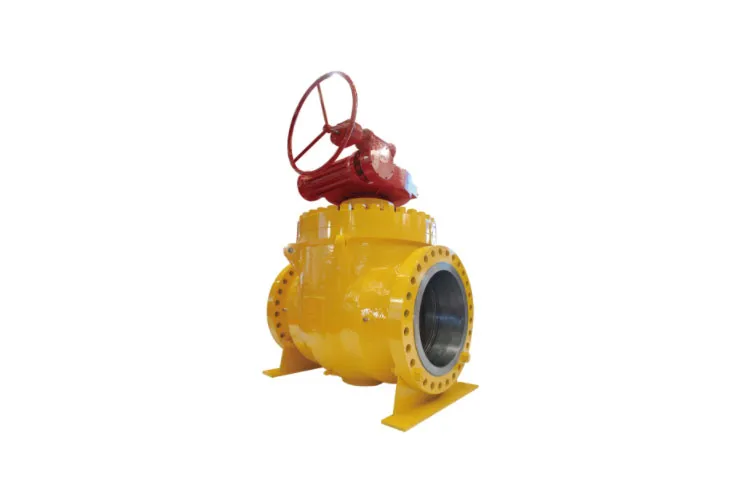
A trunnion mounted ball valve is a quarter-turn valve in which the ball is fixed in position by a mechanical support called a trunnion at the top and/or bottom of the ball. Unlike a floating ball design, the ball in a trunnion mount does not move axially toward the downstream seat when pressure is applied. Instead, the seats themselves are spring‑loaded or pressure-energized to maintain tight sealing against the stationary ball.
This design is particularly effective for:
- High-pressure and high-temperature service
- Large diameter pipelines (e.g., 6″ and above)
- Bidirectional sealing and double-block-and-bleed (DBB) isolation
- Demanding safety and environmental requirements
Key Components of a Trunnion Mounted Ball Valve
While designs vary, most trunnion ball valves share the same fundamental components:
- Body: The pressure-containing shell, typically forged or cast steel, stainless steel, or alloy material.
- Ball: A precision-machined spherical closure element with a through-bore equal to or smaller than pipeline diameter.
- Trunnion: A fixed mechanical shaft or support that anchors the ball at the bottom (and often at the top via the stem) to prevent axial movement.
- Seats: Replaceable sealing rings, usually spring-loaded and/or pressure-energized, providing tight shutoff against the ball.
- Stem: Connects the ball to the actuator or handle and transmits the quarter-turn motion.
- Seals and Gaskets: O-rings, packing, fire-safe gaskets, and other sealing components preventing external leakage.
- Actuator or Gear Operator: Manual lever, gear operator, pneumatic, electric, or hydraulic actuator providing the torque needed to open/close the valve.
Trunnion Mounted vs Floating Ball Valve – Basic Difference
In a floating ball valve, the ball is held in position only by the seats and stem. Under differential pressure, the ball is pushed downstream against the seat to form a seal. This works well for small sizes and moderate pressures but increases seat wear and operating torque at higher pressures and diameters.
In a trunnion mounted ball valve:
- The ball is fixed on trunnions (or supported at both ends).
- The seats move toward the ball to effect sealing.
- Operating torque is lower and more predictable.
- Seat wear is reduced, particularly under high pressure.
How Trunnion Mounted Ball Valves Improve Safety
Safety is a central reason for specifying trunnion mounted ball valves in critical service. Several design features directly contribute to operational safety, environmental protection, and regulatory compliance.
1. Reliable Shutoff in High-Pressure Service
Trunnion mounted ball valves are engineered to maintain tight shutoff at very high pressures, including up to and beyond Class 2500 ratings in accordance with ASME standards. The fixed ball and pressure-energized seat design ensures that:
- Valve closure is complete even under high differential pressures.
- Seat deformation is minimized, which reduces leakage risk.
- The valve maintains performance over a long service life, reducing unexpected failures.
Reliable shutoff protects personnel and equipment by avoiding uncontrolled release of hazardous, flammable, or toxic media.
2. Reduced Operating Torque and Operator Safety
In trunnion ball valves, the ball does not have to be forced into the seat by line pressure. The support from the trunnion reduces friction and torque requirements. Lower torque means:
- Smaller actuators can be used, reducing system weight and complexity.
- Manual operation requires less effort, reducing the risk of operator injury.
- Actuators are less likely to stall or fail mid-stroke, which could otherwise create unsafe intermediate valve positions.
In emergency shutdown systems (ESD), low and predictable torque is critical to ensure the valve can always move to its fail-safe position quickly and reliably.
3. Double Block and Bleed (DBB) Capability
Many trunnion mounted ball valves are designed with double block and bleed capability. This means the valve can:
- Provide sealing against pressure from both upstream and downstream directions (double block).
- Allow the cavity between the seats to be vented, drained, or monitored (bleed).
DBB capability enhances safety by:
- Allowing positive isolation for maintenance.
- Providing a means to verify that the line is fully depressurized before opening equipment.
- Reducing the risk of trapped pressure creating an uncontrolled release when flanges or fittings are opened.
4. Self-Relieving Seats and Overpressure Protection
In many applications, fluid can become trapped in the valve body cavity between the seats when the valve is closed. If temperature rises, thermal expansion can cause cavity pressure to exceed line pressure.
Trunnion mounted ball valves often incorporate self-relieving seats or automatic cavity relief features:
- Seats are designed to relieve pressure from the cavity to the upstream or downstream side once a pressure differential threshold is exceeded.
- This prevents unsafe overpressure conditions inside the valve body.
- Overpressure protection reduces the likelihood of body leakage, seal blowout, or mechanical damage.
5. Anti-Blowout Stem Design
To meet modern safety standards, trunnion mounted ball valves usually include an anti-blowout stem. The stem is constructed so that:
- Internal features prevent the stem from being ejected from the valve in case of packing failure.
- Upstream pressure cannot push the stem out of the body, protecting operating personnel from sudden mechanical failure.
This is especially important in high-pressure hydrocarbon service, where a stem blowout could result in a serious fire, explosion, or toxic release.
6. Fire-Safe Design
Trunnion mounted ball valves used in oil & gas and petrochemical service are often designed and tested to fire-safe standards (e.g., API 607, API 6FA, ISO 10497). Fire-safe design means:
- Primary soft seals (PTFE, elastomers) may be damaged during a fire, but secondary metal-to-metal or graphite seals maintain some degree of shutoff.
- External leakage is minimized or prevented during and after exposure to fire.
- Valve integrity is maintained long enough for fire-fighting systems and emergency procedures to operate.
This directly enhances plant safety and compliance with regulatory and insurance requirements.
7. Low Emission Stem and Body Sealing
Environmental safety is increasingly important. Many trunnion mounted ball valves are offered with low emission (low-E) packing systems designed to meet standards such as ISO 15848 or API 622 / API 624. Features include:
- Advanced packing materials (graphite, PTFE, or composite systems) engineered for low fugitive emissions.
- Optimized stem surface finish and tolerances for better sealing.
- Multiple sealing barriers (O-rings plus packing plus gaskets) in critical areas.
Low-emission trunnion ball valves help reduce VOC emissions, protect air quality, and meet strict regulatory limits.
8. Emergency Sealant Injection System
Many critical-service trunnion mounted ball valves include sealant injection fittings on both the stem and seat areas. In an emergency:
- Sealant can be injected under pressure to temporarily restore sealing performance.
- This provides a short-term safety barrier until a scheduled shutdown or replacement can occur.
- It can prevent unplanned downtime due to leakage while maintaining isolation integrity.
Although sealant injection is not a substitute for proper maintenance, it is a valuable safety feature in high-risk pipelines and process units.
9. Position Indication and Automation
Trunnion mounted ball valves used in critical systems are often automated with position indicators and control systems:
- Limit switches and position transmitters indicate open/closed status to control rooms.
- Solenoid valves and fail-safe actuators allow automatic closure or opening in response to process conditions.
- Integration with ESD and SIS (Safety Instrumented Systems) enhances overall plant safety.
Accurate valve position feedback helps prevent unsafe situations caused by misaligned or partially open valves.
Advantages of Trunnion Mounted Ball Valves
Beyond safety, trunnion mounted ball valves provide numerous performance, economic, and functional benefits. These advantages also indirectly contribute to safer long-term operation.
Key Advantages
- Low Operating Torque: Reduces actuator size, manual effort, and risk of mechanical overload.
- High Pressure Capability: Suitable for severe service in transmission pipelines, offshore platforms, and high-pressure process units.
- Large Size Range: Economical and reliable even at very large sizes (e.g., 24″, 36″, 48″ and above).
- Bidirectional Sealing: Effective sealing from both upstream and downstream directions.
- Long Service Life: Reduced wear of seats and ball due to trunnion support and optimized contact forces.
- Versatile End Connections: Available with flanged, butt-weld, hub, and other end types.
- Wide Material Selection: From carbon steel to duplex stainless steels, nickel alloys, and special materials for corrosive service.
- Suitability for Pigging: Full-bore designs allow pipeline pigs to pass through without obstruction.
Comparison Table: Trunnion Mounted vs Floating Ball Valves
| Feature |
Trunnion Mounted Ball Valve |
Floating Ball Valve |
| Ball Support |
Ball is fixed by trunnion and stem support |
Ball is free to move slightly between seats |
| Seat Movement |
Seats move toward ball (spring-loaded / pressure-energized) |
Ball moves toward downstream seat under pressure |
| Operating Torque |
Low and stable, even at high pressure and large sizes |
Increases significantly with pressure and size |
| Pressure Class Capability |
Suitable for very high pressure (e.g., Class 150–2500+) |
Commonly used in low to medium pressure ranges |
| Typical Size Range |
Economical and reliable from medium to very large sizes |
Most common in small to medium sizes |
| Seat Wear |
Lower wear due to optimized seat loading |
Higher wear as ball is forced into seat under pressure |
| Leakage Risk at High Pressure |
Low, stable sealing performance |
Higher risk as components deform and torque increases |
| Typical Applications |
Pipeline isolation, trunk lines, high-pressure process systems |
General-purpose service, utilities, low/medium pressure lines |
| Safety in ESD Systems |
Preferred due to reliable actuation and sealing |
Used mainly where pressures and sizes are moderate |
Design and Construction of Trunnion Mounted Ball Valves
Understanding the design and construction of trunnion mounted ball valves helps engineers select the right product for specific safety and performance requirements. Key design variables include body configuration, bore type, seat design, and material selection.
Body Configurations
Common body designs include:
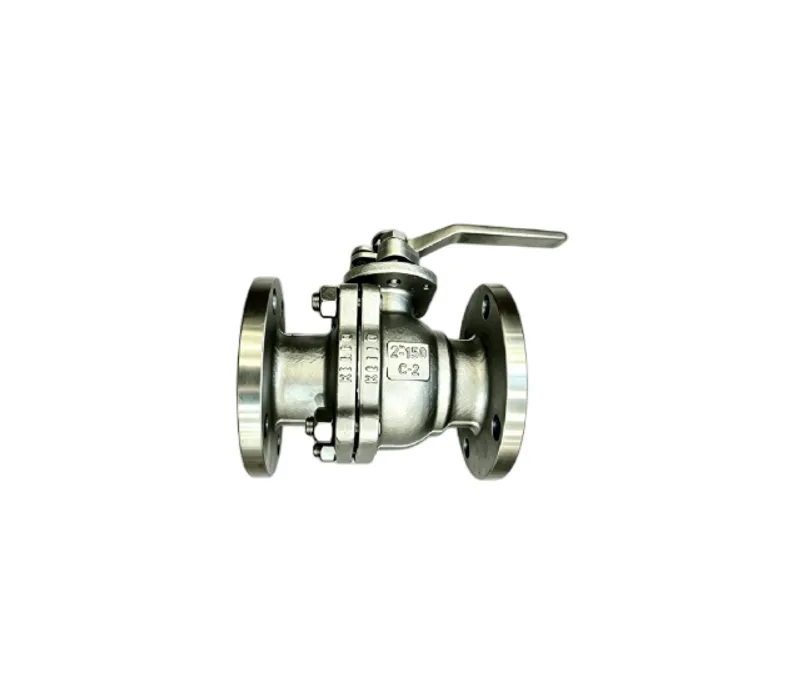
- Two-Piece Body: Body is split into two parts, bolted or welded together. Offers a balance between cost and maintainability.
- Three-Piece Body: Center section plus two end caps. Easier maintenance and repair without removing the entire valve from the pipeline.
- Fully Welded Body: All joints are welded. Provides excellent integrity and minimal external leakage paths, widely used in buried or subsea pipelines.
The choice of body style impacts maintainability, leak risk, and suitability for buried or inaccessible installations.
Bore Types
- Full Bore (Full Port): The internal diameter of the ball bore is approximately equal to the pipeline inner diameter. Benefits:
- Minimal pressure drop
- Allows pigging operations
- Reduces erosion and turbulence
- Reduced Bore (Reduced Port): The ball bore is smaller than the pipeline. Benefits:
- More compact and lighter valve
- Often lower cost for the same pressure rating
- Acceptable for many process applications where pigging is not required
Seat Design and Materials
Seats are crucial to both sealing performance and safety. Trunnion mounted ball valves may use:
- Soft Seats: Materials such as PTFE, reinforced PTFE, PEEK, and other polymers.
- Provide excellent bubble-tight sealing.
- Suitable for low to moderate temperature ranges (depending on material).
- Metal Seats: Stainless steel or hard-faced alloys.
- Suitable for high temperature, abrasive, or severe service.
- May not be completely bubble-tight but offer robust mechanical integrity.
- Composite Seats: Combination of metal and soft sealing elements.
Seat design often incorporates:
- Spring elements to preload the seat against the ball.
- Pressure-energized lips or sealing surfaces.
- Fire-safe secondary metal-to-metal contact areas.
Stem Packing and Gaskets
Mechanisms for preventing external leakage include:
- Multiple Packing Rings: Graphite or PTFE packing sets, often with lantern rings and anti-extrusion components.
- O-Rings and Back-Up Rings: Provide a secondary seal in stem and trunnion areas.
- Body Gaskets: Metal-to-metal with soft overlays, spiral wound gaskets, or other high-integrity sealing systems.
Proper packing design is essential to maintain low emission performance and prevent fugitive emissions over the life of the valve.
Trunnion Support and Bearings
The trunnion support system may include:
- Bearings or Bushings: Metal or polymer bearings reduce friction between the ball, trunnion, and body.
- Thrust Washers: Absorb axial loads and help maintain alignment.
- Corrosion-Resistant Materials: Ensures long-term reliability in corrosive or sour service.
These components contribute to smooth operation, stable torque, and long-term safety performance.
Typical Specifications of Trunnion Mounted Ball Valves
Trunnion mounted ball valves are specified based on standards, pressure class, size, materials, and functional features. The table below summarizes typical specification ranges commonly encountered in the industry.
| Specification Category |
Typical Options / Description |
| Design Standards |
API 6D, API 608, ASME B16.34, ISO 17292 (depending on application) |
| Pressure Classes |
ASME Class 150, 300, 600, 900, 1500, 2500 (and equivalent PN ratings) |
| Nominal Size Range |
Typically from 2″ up to 48″ or larger, depending on manufacturer |
| Bore Type |
Full bore (full port) or reduced bore (reduced port) |
| End Connections |
RF flanged (ASME B16.5), RTJ flanged, butt-weld (ASME B16.25), hub connections |
| Body Materials |
Carbon steel (e.g., A105, A216 WCB), low temperature carbon steel, stainless steel (304/316), duplex, super duplex, alloy steels, nickel alloys |
| Ball and Stem Materials |
Stainless steel, alloy steel, hard-faced or coated surfaces (e.g., ENP, chrome, tungsten carbide) |
| Seat Materials |
Soft seat (PTFE, RPTFE, PEEK, etc.), metal seat, or composite seat |
| Sealing and Packing |
Graphite, PTFE, elastomer O-rings, low-emission packing options |
| Fire-Safe Compliance |
API 607, API 6FA, ISO 10497 (if required) |
| Testing Standards |
API 598, API 6D, ISO 5208, MSS SP-72 (depending on design) |
| Operation |
Manual (lever or gear), pneumatic actuator, hydraulic actuator, electric actuator |
| Special Features |
Double block and bleed (DBB), double isolation and bleed (DIB), emergency sealant injection, stem extension, locking devices |
Applications of Trunnion Mounted Ball Valves
Trunnion mounted ball valves are widely used in safety-critical and high-value applications across multiple industries.
Oil and Gas Transmission Pipelines
In long-distance transmission pipelines for crude oil, natural gas, and refined products, trunnion mounted ball valves are used for:
- Mainline isolation valves
- Block valves at pump and compressor stations
- Metering stations and custody transfer facilities
- Block valves at river crossings and environmentally sensitive areas
Safety considerations include high design pressures, large diameters, buried or remote installations, and emergency shutdown scenarios. Fully welded body trunnion ball valves are often selected for buried applications due to their minimal leak paths and maintenance requirements.
Upstream Oil and Gas (Onshore and Offshore)
In upstream operations, trunnion mounted ball valves are used on:
- Wellhead manifolds and gathering systems
- Offshore platforms and subsea pipelines
- High-pressure injection lines (water, gas, chemicals)
- Flowlines and export lines
Operational safety features include corrosion-resistant materials, fire-safe designs, and automation through actuators integrated with platform control systems.
Refineries and Petrochemical Plants
In refining and petrochemical plants, trunnion ball valves are applied in:
- Unit isolation where high pressure and high temperature coexist
- Feed and product lines handling hazardous or flammable fluids
- Safety systems requiring rapid and reliable isolation
Compliance with plant safety standards, fire-safe requirements, and low-emission regulations is often critical.
LNG and Cryogenic Service
Specially designed trunnion mounted ball valves can be used in cryogenic service for LNG terminals and liquefaction plants:
- Extended bonnets to keep packing away from cryogenic temperatures.
- Materials selected for low temperature toughness.
- Special seat and seal materials compatible with cryogenic service.
These valves play a safety role in liquefaction trains, storage tanks, and loading arms.
Power Generation and Industrial Service
In power plants and general industrial facilities, trunnion mounted ball valves may be used in:
- High-pressure steam and condensate lines (with appropriate materials and design).
- Feedwater and cooling water systems requiring reliable isolation.
- Gas supply and fuel handling systems.
The high-pressure capability and long service life of trunnion ball valves help maintain consistent safety performance in these continuous-service environments.
Safety-Critical Features to Specify
To fully leverage the safety benefits of trunnion mounted ball valves, engineers and specifiers should pay close attention to the following features during selection and procurement.
Double Block and Bleed vs Double Isolation and Bleed
Clarify whether the application requires:
- DBB (Double Block and Bleed): Seal on both sides of the valve with a bleed in the cavity. Sealing may depend on line pressure.
- DIB (Double Isolation and Bleed): Independent seals on both sides for full isolation, often with enhanced safety margins.
The required sealing philosophy affects seat design, cavity relief, and overall valve construction.
Fire-Safe Certification
For hydrocarbon service, fire-safe certification is often mandatory. When specifying:
- Ensure compliance with recognized fire test standards.
- Verify that both external and internal leakage limits under fire conditions meet project requirements.
Low Emission Performance
For facilities with strict environmental rules:
- Specify low emission packing designs tested to applicable standards.
- Consider valves with certified fugitive emission performance if required.
Actuation and Fail-Safe Position
For safety instrumented functions:
- Define whether the valve must fail-open, fail-closed, or fail-in-place.
- Size actuators with suitable safety margins to handle worst-case torque conditions.
- Consider partial stroke testing capability to verify operability without fully closing or opening the valve.
Materials and Corrosion Resistance
Safety and reliability depend on material suitability:
- Ensure materials are compatible with fluid composition, including H2S, CO2, chlorides, and other corrosive components.
- For sour service, ensure compliance with NACE or ISO sour service standards.
- Consider corrosion allowance and protective coatings for external surfaces.
Testing and Inspection Requirements
Testing is vital to verifying safety performance:
- Specify hydrostatic shell tests and seat leakage tests to relevant standards.
- Consider additional NDE (non-destructive examination) and pressure cycling tests for critical applications.
- Verify that OEM testing procedures align with project and regulatory requirements.
Installation, Operation, and Maintenance for Safety
Even the best trunnion mounted ball valve must be installed and maintained correctly to deliver its safety benefits. A few guidelines help preserve performance over the life of the system.
Proper Installation
- Ensure correct valve orientation if the design is not fully bidirectional.
- Support heavy valves properly to avoid excessive loading on the pipeline.
- Use appropriate gaskets and bolting to avoid flange leakage.
- Verify that weld-end valves are installed with specified welding procedures and post-weld heat treatment when required.
Commissioning and Testing
- Perform pressure tests according to applicable standards before introducing process fluid.
- Stroke-test actuated valves to confirm operation and verify position indication.
- Confirm that cavity relief mechanisms function as designed.
Routine Operation
- Avoid throttling with on/off trunnion ball valves unless specifically designed for control service.
- Operate valves within their rated pressure, temperature, and differential pressure limits.
- Monitor torque and operating behavior; increases in torque can be early warning signs of problems.
Maintenance and Inspection
- Inspect for external leakage at stem and body joints on a scheduled basis.
- Check actuator performance and recalibrate limit switches or positioners as needed.
- Use sealant injection as a temporary measure only, followed by proper repair or replacement during a planned shutdown.
SEO-Focused Summary of Key Safety Benefits
For engineers, safety officers, and plant operators researching how trunnion mounted ball valves improve safety, the key points can be summarized as follows:
- Trunnion mounted ball valves provide reliable shutoff in high-pressure and high-temperature service, minimizing leakage risks.
- The fixed ball, moving seat design reduces operating torque and seat wear, improving long-term reliability.
- Double block and bleed and double isolation and bleed options offer enhanced isolation safety for maintenance and emergency procedures.
- Self-relieving seats protect against dangerous cavity overpressure, while anti-blowout stems protect personnel.
- Fire-safe designs and low emission sealing systems help protect people, assets, and the environment.
- Emergency sealant injection, robust trunnion supports, and advanced actuation and position monitoring further reduce the risk of failure.
When properly selected, installed, and maintained, trunnion mounted ball valves are among the safest and most reliable isolation valves available for critical industrial service. Their combination of mechanical strength, sealed performance, and advanced safety features makes them an essential component of modern, high-integrity pipeline and process system design.








 Phone