


When selecting the right ball valve for industrial piping systems, one of the most important decisions is choosing between a fixed ball valve and a trunnion mounted ball valve. Both valve types are widely used in oil and gas, petrochemical, power generation, water treatment, pipeline transportation, and other demanding industries. However, they are designed with different structural support methods, sealing behavior, torque requirements, and pressure-handling characteristics.
This comparison guide provides a clear, SEO-friendly overview of fixed ball valve vs trunnion mounted ball valve, including definitions, design features, operating principles, advantages, disadvantages, technical specifications, and application guidance. The content is written in a format that can be directly inserted into a website article, category page, or industry knowledge page.
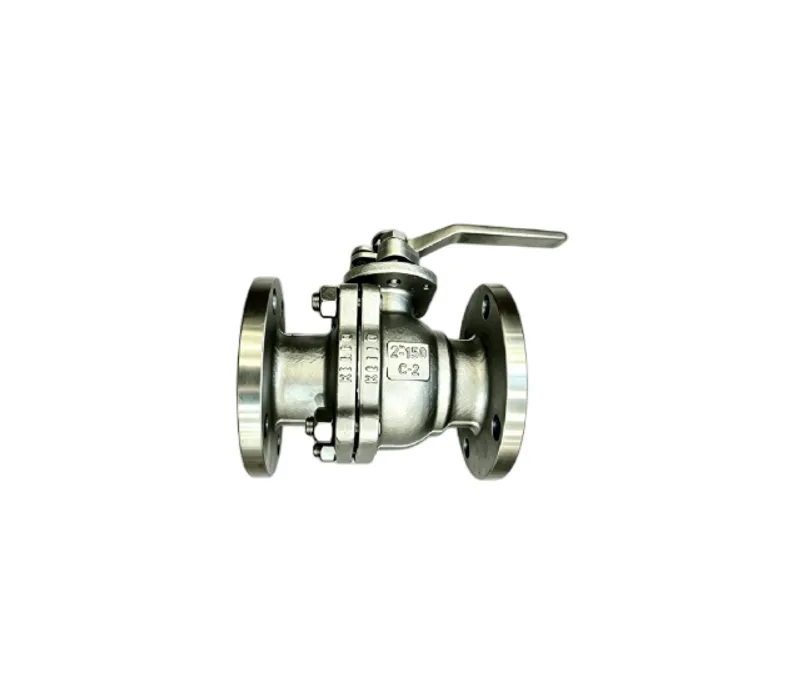
A fixed ball valve is a type of ball valve in which the ball is supported by two or more bearings or fixed shafts. Unlike a Floating ball valve, the ball does not move freely downstream under line pressure. Instead, it remains mechanically supported in position, allowing more stable operation under high pressure and larger valve sizes.
The fixed ball design is often used in systems requiring reliable sealing, lower operating torque, and strong performance under medium to high pressure. The ball is held in place by upper and lower stems or journals, which is why this design is commonly referred to as a journal mounted ball valve in many industrial contexts.
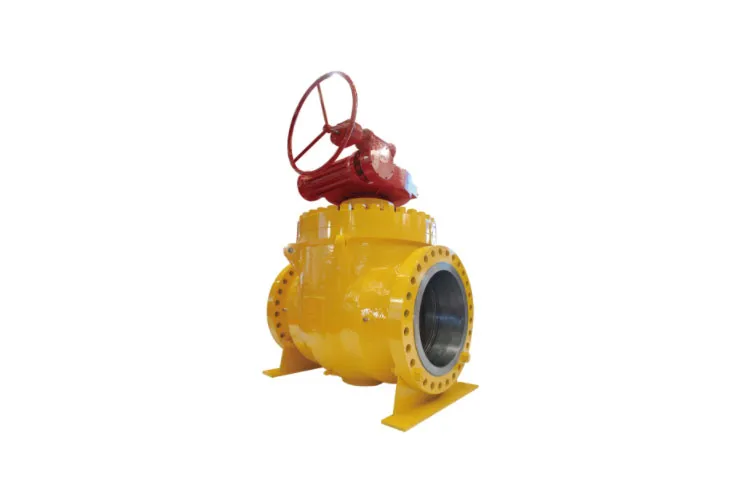
A trunnion mounted ball valve is a ball valve in which the ball is supported by a trunnion, or mechanical anchoring system, at both the top and bottom. The ball is not floating. Instead, it is fixed in place and typically uses spring-loaded seats that move toward the ball under pressure. This design reduces the force required to operate the valve and improves sealing consistency in high-pressure service.
Trunnion mounted ball valves are especially common in pipeline systems, crude oil transmission, natural gas lines, chemical processing, and other severe-duty conditions. They are favored for large sizes, high differential pressure, and frequent cycling.
The main difference between these two valve types lies in how the ball is supported and how sealing force is generated. A fixed ball valve uses a supported ball arrangement that remains stable during operation, while a trunnion mounted ball valve uses a trunnion-supported ball with seat movement to ensure sealing.
In practical terms, both valves are designed for demanding applications, but trunnion mounted ball valves generally provide better performance for very high pressure, large diameter, and low-torque operation. Fixed ball valves are also used in heavy-duty service and may share many of the same advantages depending on design and construction.
In a fixed ball valve, the ball rotates around a fixed axis. The stem drives the ball, but the ball itself is supported by trunnions or journals, preventing excessive movement. Because the ball does not float with line pressure, the seats are often spring-loaded or pressure-assisted to maintain contact with the ball surface.
This design helps create reliable shutoff performance and reduces wear on the sealing surfaces. The valve opens when the ball bore aligns with the pipeline and closes when the ball is rotated 90 degrees to block flow.
A trunnion mounted ball valve also operates by rotating the ball 90 degrees between open and closed positions. However, the ball is anchored by a trunnion system, which supports the ball at both ends. The line pressure pushes the seats toward the ball, creating a tight seal without requiring the ball to move upstream or downstream.
This arrangement significantly reduces operating torque, especially in high-pressure service. It also supports longer seat life and more consistent sealing performance under severe operating conditions.
| Comparison Factor | Fixed Ball Valve | Trunnion Mounted Ball Valve |
|---|---|---|
| Ball Support | Ball is supported by fixed journals/shafts | Ball is supported by trunnions at top and bottom |
| Operating Torque | Low to moderate | Very low |
| Pressure Suitability | Medium to high pressure | High to very high pressure |
| Valve Size | Common in medium and large sizes | Ideal for large diameter pipelines |
| Seat Design | Spring-loaded or pressure-assisted seats | Spring-loaded seats with line pressure assistance |
| Sealing Performance | Reliable and stable | Excellent under high differential pressure |
| Wear Resistance | Good | Excellent |
| Maintenance | Moderate | Moderate to easy depending on design |
| Typical Applications | Oil & gas, petrochemical, water, power | Pipeline transmission, refinery, gas distribution |
| Cost Level | Moderate to high | High |
Fixed ball valves provide several important advantages in industrial systems. Their supported structure makes them suitable for applications where stable operation and dependable sealing are essential. They are frequently selected for service conditions that require strong shutoff capability and reduced seat wear.
Trunnion mounted ball valves are often regarded as the preferred choice for severe service and high-pressure pipeline applications. Their design offers major operational benefits, especially when valve size and pressure rating increase.
Although fixed ball valves are highly effective, they may not be the perfect solution for every application. In some cases, the design can be more complex than a floating ball valve and may require more careful specification.
Trunnion mounted ball valves offer excellent performance, but they also have some limitations that should be considered during valve selection.
| Category | Fixed Ball Valve | Trunnion Mounted Ball Valve |
|---|---|---|
| Low Pressure | Can be used, though often more than required | Can be used, but may be oversized for the duty |
| Medium Pressure | Very suitable | Very suitable |
| High Pressure | Suitable in many cases | Preferred choice |
| Very High Pressure | Depends on design and size | Commonly used and highly effective |
| Small Diameter | Possible but not always cost-effective | Usually not necessary |
| Large Diameter | Good option | Excellent option |
Sealing performance is a critical criterion when comparing fixed ball valve vs trunnion mounted ball valve. Both valve types are designed to provide tight shutoff, but the mechanism differs.
In a fixed ball valve, the seats may be spring-loaded to maintain contact with the ball. The ball support system provides stability, while the sealing force is maintained by seat design and sometimes by pressure assistance.
In a trunnion mounted ball valve, the line pressure helps push the seat toward the ball, improving sealing consistency. This is one of the main reasons trunnion mounted valves are preferred in high-pressure isolation service.
Operating torque is the force needed to open or close the valve. This is a major distinction between the two designs. Fixed ball valves generally require less torque than floating ball valves, but trunnion mounted ball valves are usually the best choice when minimal torque is essential.
Lower torque offers several practical benefits, including easier manual operation, smaller actuator requirements, lower automation cost, and reduced wear on mechanical components.
| Torque Aspect | Fixed Ball Valve | Trunnion Mounted Ball Valve |
|---|---|---|
| Manual Operation | Possible in many cases | Usually easier |
| Actuator Sizing | Moderate | Smaller actuator often possible |
| High Pressure Torque | May increase depending on service | Remains comparatively low |
| Automation Suitability | Good | Excellent |
Both fixed ball valves and trunnion mounted ball valves are used across a wide range of industries. Their specific application depends on size, pressure, fluid type, and safety requirements.
Material selection is essential for both fixed and trunnion mounted ball valves. The correct body, ball, stem, seat, and seal materials depend on fluid compatibility, temperature, pressure, and corrosion resistance requirements.
| Valve Component | Common Material Options | Purpose |
|---|---|---|
| Body | Carbon steel, stainless steel, alloy steel | Pressure containment and structural strength |
| Ball | Stainless steel, hardened steel, coated alloy | Shutoff and flow control |
| Stem | Stainless steel, alloy steel | Torque transmission |
| Seats | PTFE, RPTFE, nylon, metal seated | Sealing performance |
| Seals | FKM, NBR, graphite, PTFE | Leak prevention and temperature resistance |
The following table provides a general industry overview of size and pressure ranges. Actual specifications vary by design standard, body material, seat type, and manufacturer engineering.
| Specification | Fixed Ball Valve | Trunnion Mounted Ball Valve |
|---|---|---|
| Nominal Size Range | Commonly from small to large diameters | Commonly medium to extra-large diameters |
| Pressure Class Range | Commonly ANSI 150 to ANSI 1500, depending on design | Commonly ANSI 150 to ANSI 2500, depending on design |
| Temperature Range | Depends on seat and seal materials | Depends on seat and seal materials |
| Flow Direction | Bidirectional in many designs | Bidirectional in many designs |
Choosing between a fixed ball valve and a trunnion mounted ball valve depends on service conditions and system design goals. Below are the most common selection factors.
Fixed ball valves and trunnion mounted ball valves are commonly designed in accordance with international standards and industry practices. These may include pressure-temperature ratings, face-to-face dimensions, inspection requirements, fire-safe design, anti-static features, and fugitive emission considerations.
When specifying either valve type, engineers often consider the following:
Not exactly. Both are supported ball valve designs, but a trunnion mounted ball valve specifically uses a trunnion support system at the top and bottom of the ball. A fixed ball valve may also use journal support, but the construction and seating arrangement can vary.
Trunnion mounted ball valves generally have lower operating torque, especially in high-pressure service. Fixed ball valves also reduce torque compared with floating designs, but not always to the same extent.
Trunnion mounted ball valves are often preferred for very high pressure and large pipeline applications because they provide stable support and low torque.
Service life depends on design quality, materials, operating cycles, and media conditions. In many cases, trunnion mounted valves offer excellent seat life due to reduced friction, while fixed ball valves also provide long-term durability when properly selected.
The fixed ball valve vs trunnion mounted ball valve comparison comes down to support structure, torque requirements, sealing method, and service conditions. Both valve types are excellent choices for industrial isolation, but they serve slightly different priorities.
A fixed ball valve is a strong option for reliable operation, stable sealing, and medium to high pressure service. A trunnion mounted ball valve is generally the best choice for high-pressure, large-diameter, and low-torque applications where performance and actuator efficiency are critical.
For engineers, buyers, and project planners, understanding the differences between these two valve types helps ensure better system performance, improved safety, and longer service life. When properly specified, either valve can deliver dependable shutoff in demanding industrial environments.
Контактное лицо: Макс. Сонг (Сун Шаньшань)
Должность: Генеральный директор
Мобильный телефон: +86 15611322632
Скажите: +86 10 89282693
Электронная почта: international@bvmc.com
Адрес: Нет. 3, Lvhai Road, город Пангечжуан, район Дасин, Пекин


Авторское право © Пекинский завод клапанов, ООО
Карта сайтаЭтот веб-сайт использует файлы cookie, чтобы обеспечить вам максимально эффективное использование нашего веб-сайта.




 Phone