


Fixed Ball Valve Engineering Design Explained
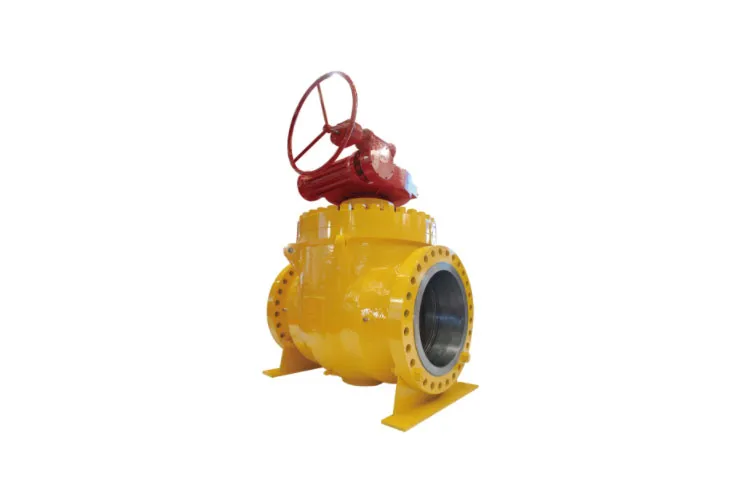
Fixed ball valve engineering design is one of the most important topics in industrial flow control, especially for applications that require stable sealing performance, high pressure resistance, long service life, and dependable operation under demanding conditions. A fixed ball valve, often called a trunnion-mounted ball valve, is engineered so that the ball is supported by a top and bottom shaft structure rather than floating freely in the body. This design reduces operating torque, improves seat control, and makes the valve suitable for large diameters, high-pressure pipelines, oil and gas systems, petrochemical plants, power generation, and other critical service environments.
For engineers, procurement teams, and technical readers, understanding fixed ball valve engineering design helps in selecting the right valve type, comparing structural features, evaluating sealing performance, and identifying the specifications needed for safe and efficient operation. This guide explains the core design principles, working mechanism, material selection, advantages, standards, common specifications, and application considerations of fixed ball valves in clear, search-friendly English.
A fixed ball valve is a quarter-turn valve in which the ball is fixed in position by a stem and a lower support or trunnion. Unlike a Floating ball valve, the ball in a fixed ball valve does not move downstream under line pressure. Instead, the ball remains stable while the seats move toward the ball to create a seal. This structural difference is the foundation of fixed ball valve engineering design.
The fixed ball valve is used to regulate on/off flow in pipelines carrying gas, liquid, steam, and other process media. It is especially valued in high-pressure systems because the supported ball design reduces friction between the ball and seats, lowers the operating torque, and improves sealing consistency over time.
The engineering concept behind a fixed ball valve is simple but highly effective. The ball is mounted on trunnions or shafts at the top and bottom, which hold it in a fixed axial position. When the valve is opened or closed, the stem rotates the ball by 90 degrees. Because the ball does not drift under pressure, the seats are designed to move slightly and press against the ball surface.
This arrangement provides several engineering benefits:
Because the ball is supported on both ends, fixed ball valve engineering design is especially suited for applications where pressure, flow volume, and safety requirements are demanding.
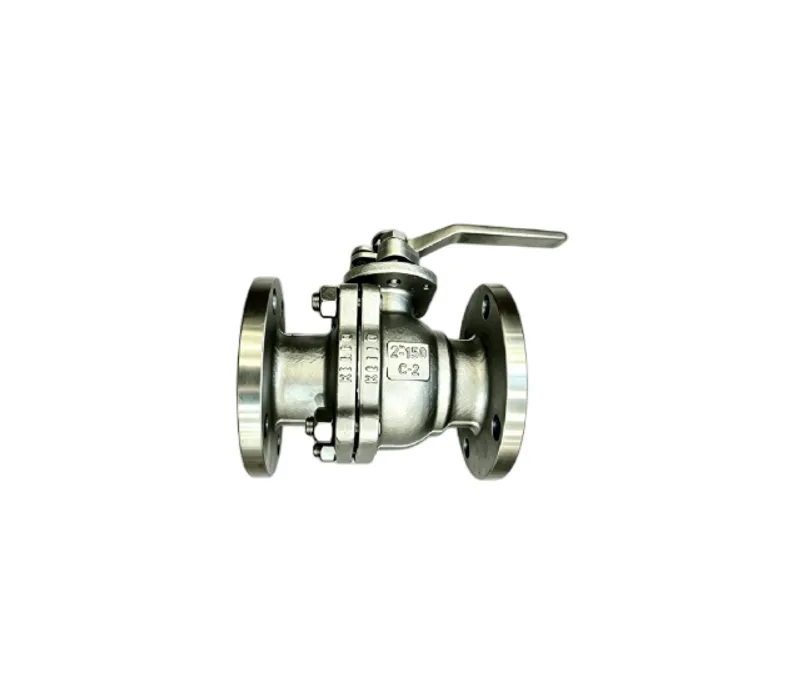
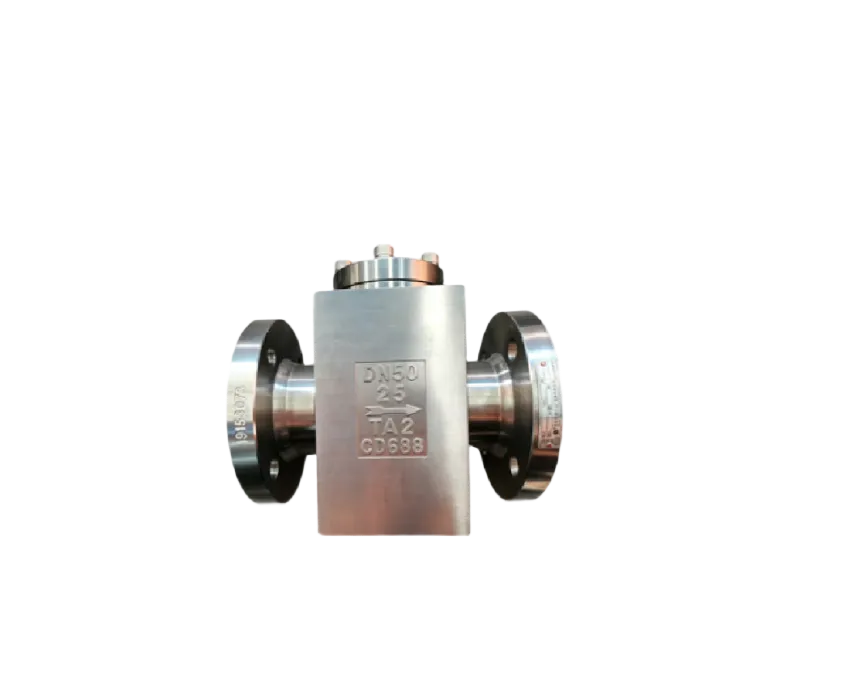
A fixed ball valve is made of several essential components, each contributing to performance, durability, and sealing integrity. Understanding these parts is important for evaluating design quality and comparing product specifications.
| Component | Function | Engineering Importance |
|---|---|---|
| Body | Main pressure-containing shell | Provides structural strength and supports internal pressure |
| Ball | Rotating closure element with flow passage | Controls on/off flow and sealing performance |
| Stem | Transfers actuator or manual torque to the ball | Ensures accurate rotation and operational reliability |
| Trunnion / Lower Shaft | Supports the ball from below | Reduces load on the seats and stabilizes the ball position |
| Seats | Seal against the ball surface | Critical for leakage control and tight shutoff |
| Seals / Gaskets | Prevent fluid leakage at joints and connections | Important for pressure containment and safety |
| Bearings | Support rotating parts and reduce friction | Improve service life and lower torque requirements |
| Actuator or Lever | Provides manual, pneumatic, electric, or hydraulic operation | Allows remote control and automation |
Fixed ball valve operation is based on quarter-turn rotation. In the open position, the bore of the ball aligns with the pipeline, allowing fluid to pass through with minimal pressure drop. In the closed position, the ball rotates 90 degrees so that the bore is perpendicular to the flow path, stopping the flow completely.
The key difference in a fixed ball valve is that line pressure does not push the ball toward the downstream seat in the same way it does in a floating design. Instead, the seat rings move toward the ball to maintain sealing contact. This design is useful because it provides controlled sealing force without excessive mechanical stress.
In many fixed ball valve designs, the upstream seat can be self-relieving or pressure-assisted, which helps reduce cavity pressure buildup. Some designs also include spring-loaded seats, seal injection points, or double-block-and-bleed configurations for added safety.
The engineering design of a fixed ball valve directly affects performance, safety, and maintenance cost. A well-designed valve can handle high pressure, frequent cycling, and demanding process conditions with lower wear and reduced leakage risk. Poor design, by contrast, can lead to excessive torque, seat failure, body leakage, corrosion issues, or premature breakdown.
In industrial environments, valve failure can cause downtime, product loss, environmental risk, or safety incidents. For this reason, fixed ball valve engineering design is not just a mechanical topic; it is also a reliability and risk-management issue.
Fixed ball valves offer several operational and engineering advantages that make them ideal for demanding service conditions.
| Advantage | Benefit in Operation |
|---|---|
| Low operating torque | Makes manual and automated operation easier, especially in large sizes |
| Stable ball support | Improves reliability under high pressure and large pipe sizes |
| Consistent sealing | Maintains tight shutoff across varying pressure conditions |
| Long service life | Reduced seat wear extends maintenance intervals |
| Suitable for automation | Compatible with pneumatic, electric, and hydraulic actuators |
| High-pressure capability | Well suited for critical pipeline service |
| Bidirectional or engineered sealing options | Can be configured for different flow and pressure requirements |
One of the most common comparisons in valve engineering is fixed ball valve vs floating ball valve. Both are ball valve types, but their internal structures are different, and those differences strongly affect performance.
| Feature | Fixed Ball Valve | Floating Ball Valve |
|---|---|---|
| Ball support | Supported by top and bottom shafts | Ball floats slightly with line pressure |
| Operating torque | Lower, especially in large sizes | Higher as pressure and size increase |
| Pressure suitability | Better for high-pressure service | Common in low to medium pressure applications |
| Seat loading | Seats move toward ball | Ball moves toward downstream seat |
| Size suitability | Excellent for large diameters | More common in smaller sizes |
| Service life | High durability in severe service | Effective but more limited under extreme conditions |
In general, fixed ball valves are preferred when pressure, size, or reliability demands are high. Floating ball valves are often selected when cost, simplicity, and moderate service conditions are the main priorities.
Material selection is a major part of fixed ball valve engineering design. The correct body, ball, stem, seat, and sealing material must match the service medium, pressure, temperature, corrosion risk, and regulatory requirements.
| Part | Common Materials | Typical Purpose |
|---|---|---|
| Body | Carbon steel, stainless steel, alloy steel, duplex steel | Pressure containment and corrosion resistance |
| Ball | Stainless steel, coated alloy steel, hard-faced alloys | Provide smooth sealing surface and wear resistance |
| Stem | Stainless steel, high-strength alloy steel | Torque transmission and mechanical strength |
| Seats | PTFE, reinforced PTFE, PEEK, metal-seated alloys | Sealing under different temperature and pressure conditions |
| Seals | NBR, FKM, EPDM, graphite, flexible sealing compounds | Leak prevention and chemical compatibility |
| Bearings | PTFE-based composites, metal bushings, anti-friction materials | Support rotation and reduce wear |
Sealing is one of the most critical elements in fixed ball valve engineering design. A high-quality sealing system must maintain shutoff performance while resisting wear, temperature changes, pressure fluctuations, and chemical attack.
Common sealing concepts include soft seat sealing, metal seat sealing, spring-loaded seats, and pressure-assisted seat designs. Soft seats typically provide excellent tight shutoff and are used in many standard process applications. Metal seats are chosen for higher temperatures, abrasive media, or severe service conditions where soft materials may fail.
In high-performance fixed ball valve construction, the seat design may include:
These features improve safety, reduce leakage risk, and extend valve life in critical applications.
Fixed ball valve engineering design is often selected based on pressure class and nominal size. As valve diameter increases, the torque and sealing demands also increase, which is why the fixed ball structure becomes more practical than a floating design.
Typical pressure classes may include Class 150, Class 300, Class 600, Class 900, Class 1500, and Class 2500, depending on system requirements and applicable standards. Nominal sizes may range from small bore valves to very large pipeline diameters.
| Specification Item | Typical Range | Engineering Note |
|---|---|---|
| Nominal size | Small to very large diameters | Fixed design becomes more valuable as size increases |
| Pressure class | 150 to 2500 | Selection depends on system pressure and code requirements |
| Temperature range | Depends on seat and seal materials | Metal seat and high-performance polymers increase range |
| End connection | Flanged, welded, butt-weld, threaded | Chosen according to pipeline design and maintenance needs |
| Operation | Manual, gear-operated, pneumatic, electric, hydraulic | Automation method affects torque and control system design |
Fixed ball valve engineering design is often aligned with recognized industry standards to ensure performance, interchangeability, and safety. Standards may vary depending on region and application, but common reference frameworks include valve face-to-face dimensions, pressure testing, fire safety, materials, and performance qualification.
When specifying a fixed ball valve, engineers often review the required standard, pressure class, leakage class, test method, and material certification before final selection.
Modern fixed ball valve engineering includes many performance-enhancing features. These are designed to improve sealing efficiency, reduce maintenance, and support reliable operation in difficult service environments.
| Design Feature | Purpose | Benefit |
|---|---|---|
| Anti-static device | Prevents static charge buildup | Improves safety in flammable service |
| Blowout-proof stem | Retains stem under pressure | Enhances operator and system safety |
| Cavity pressure relief | Prevents trapped pressure buildup | Reduces seal stress and damage |
| Double block and bleed | Provides isolation and cavity venting | Supports maintenance and verification |
| Hard-facing | Strengthens sealing surfaces | Improves resistance to wear and erosion |
| Sealant injection | Allows emergency sealing support | Extends service life in critical applications |
Fixed ball valves are widely used in industries where strong sealing, high-pressure performance, and reliable shutoff are essential. Their design makes them suitable for many critical process systems.
In each of these applications, fixed ball valve engineering design supports dependable shutoff and reduced maintenance risk.
When reviewing a fixed ball valve, buyers and engineers should look at more than just size and pressure rating. The internal design, material quality, sealing technology, and test records all influence real-world performance.
Even though fixed ball valves are engineered for durability, maintenance planning is still important. Proper inspection intervals, lubrication where applicable, and seat condition checks help preserve performance over time.
Typical maintenance considerations include stem seal inspection, actuator calibration, leakage testing, seat wear assessment, corrosion monitoring, and verification of cavity pressure relief features. In severe service or high-cycle applications, maintenance should be scheduled based on operating hours, media type, and process severity rather than time alone.
The following table shows a general example of how fixed ball valve specifications are often presented in technical product pages or engineering documentation. Values vary by design and application.
| Specification | Typical Description |
|---|---|
| Valve type | Fixed ball valve / trunnion-mounted ball valve |
| Size range | Various nominal diameters |
| Pressure rating | Class 150 to Class 2500, depending on design |
| Body material | Carbon steel, stainless steel, alloy steel, duplex steel |
| Ball material | Stainless steel or coated alloy steel |
| Seat material | PTFE, reinforced PTFE, PEEK, metal seat |
| Stem design | Blowout-proof, anti-static, precision machined |
| Operation | Lever, gear, pneumatic actuator, electric actuator, hydraulic actuator |
| End connection | Flanged, welded, butt-weld, threaded |
| Service media | Gas, oil, water, steam, chemicals, industrial fluids |
For search visibility, content around fixed ball valve engineering design often includes related technical keywords and long-tail phrases. These help search engines understand topic relevance and support ranking for industrial valve queries.
Fixed ball valve engineering design combines structural support, controlled sealing, and low-torque operation to create a dependable valve solution for demanding industrial systems. Because the ball is fixed by trunnions or support shafts, the valve offers stronger pressure handling, improved sealing consistency, and better durability than many simpler valve designs. These advantages make fixed ball valves a preferred choice in high-pressure, high-diameter, and critical service applications.
Whether used in oil and gas pipelines, petrochemical facilities, power plants, or industrial process systems, the success of a fixed ball valve depends on careful engineering selection. Material choice, pressure rating, seat design, end connections, standards compliance, and maintenance planning all play a role in long-term performance. For any technical webpage, catalog entry, or industry article, fixed ball valve engineering design is a strong topic with clear commercial and SEO value because it addresses both user intent and search relevance in a precise, practical way.
“`
Контактное лицо: Макс. Сонг (Сун Шаньшань)
Должность: Генеральный директор
Мобильный телефон: +86 15611322632
Скажите: +86 10 89282693
Электронная почта: international@bvmc.com
Адрес: Нет. 3, Lvhai Road, город Пангечжуан, район Дасин, Пекин


Авторское право © Пекинский завод клапанов, ООО
Карта сайтаЭтот веб-сайт использует файлы cookie, чтобы обеспечить вам максимально эффективное использование нашего веб-сайта.




 Phone